Good nutrition should always be a priority, but when you're having a baby it becomes even more important. After getting pregnant the first thing that a woman thinks is to eat well so that she and her baby have a healthy and relaxed pregnancy time. While in pregnancy, all the nutritional needs are increased in order to meet the needs of the developing baby, it is vital to stick to good health habits. She needs lot of stamina to deal with the early pregnancy symptoms like fatigue, nausea and morning sickness and also for enduring the various pains and to have a safe delivery. Also, pregnancy is the time when her eating habits during these magical 40 weeks directly affects another life.
The decision to incorporate wise food choices into her eating plan before and during pregnancy will give proper strength to her uterus for holding the fertilized egg, will help to promote a healthy environment for her baby, normal birth weight for the baby, improved fetal brain development, a speedy recovery of the body after delivery. We all want to give our children the best start in life, so it’s not surprising that a lot of pregnant women get a little panicky about what they should and shouldn’t be eating. It is also this time, the people who love and care for her will also advise what to eat and what not to eat. She enjoys this special attention for the next nine months and even after that :).
Some important steps to a healthy pregnancy include eating a balanced diet; gaining the right amount of weight; enjoying regular physical activity; taking a vitamin and mineral supplement if recommended by a physician; and avoiding alcohol, tobacco and other harmful substances. It is better to eat healthy rather than eating anything!
A well-balanced diet should include the following foods:
Folic Acid: It is essential for the normal development of the baby's spine, brain and skull, especially during the first four weeks of pregnancy. It is, therefore, important to start taking vitamin supplements with Folic Acid before one gets pregnant to reduce the risk of neural tube defect. Sources include fortified foods like cereals, pastas and breads, supplements and natural food sources of folate. Celery and Spinach are great sources of folic acid and iron. It is advised to consume spinach in its natural form without overcooking and thereby not destroying the folic acid. Other folic acid rich foods include Brussels sprouts, broccoli, cabbage, parsnips, eggplant and asparagus, fruits like papaya, kiwi, dates, figs and even bananas. The best way to get the most of the folic acid is without cooking, just to fix up a bowl of salad with a tasty dressing and enjoy.
Whole grains: High-fibre breakfast cereals, brown or wholewheat breads and rolls, maize meal or oats porridge, brown rice, pasta, cereals, and brown rice.
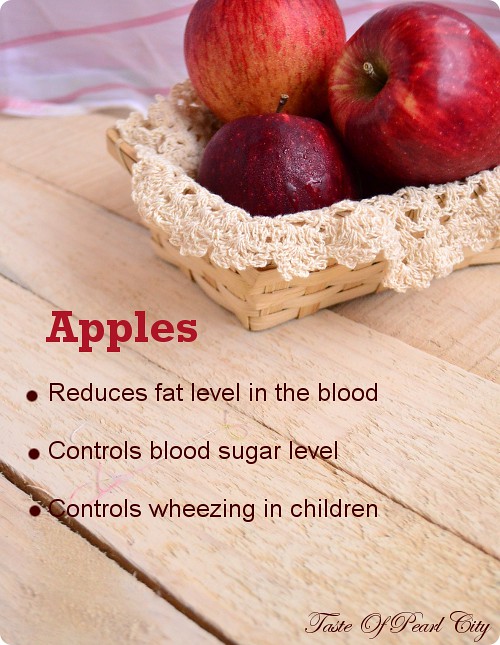
Whole fruits: Apples, pears, peaches, nectarines and melon. Since acids can cause heartburn, caution should be taken with the amount of acidic fruits intake like oranges, pineapples, lemons and limes.
Vegetables: Leafy greens, bell peppers, eggplant, squash and mushrooms, spinach, broccoli, zucchini, dark green lettuces, green beans, asparagus.
Healthy fats: Extra-virgin olive oil, walnuts, almonds and avocados.
Protein: Chicken, fish, beef, red meat, turkey, tofu, nuts, legumes (beans), milk, eggs, cottage cheese, whole grains, wheat gluten, soy cheese.
Iron: Maternal iron deficiency anemia is a pregnancy risk. High-iron foods include spinach, leafy greens, beans, fortified cereals, red meat, chicken and fish.
Vegetarians can increase iron absorption by combining plant-based sources of iron with vitamin C-rich foods. For example, spinach salad with mandarin oranges or cereal with strawberries.
Calcium: During pregnancy, calcium is needed for the healthy development of a baby’s teeth, bones, heart, nerves and muscles. When a pregnant woman does not consume enough calcium, the developing baby takes it from her bones. Calcium-rich foods include low-fat or fat-free milk, yogurt or cheese or calcium-fortified cereals and juices.
Magnesium : Whole grain breads, cereals, brown rice, nuts, tuna,eggs, spinach, whole-oat oatmeal, black tea, strawberries, avocados.
Foods that could be avoided : It is better to avoid extra calories from added sugar and fats, which can lead to unhealthy weight gain. Cutting down on foods like regular soda, sweets and fried snacks is advisable. Some cheese are unsafe during Pregnancy. For details, please refer
here.
Post Delivery: A mother's diet immediately after delivery not only determines which nutrients her little one gets, but her food choices can also affect her entire breastfeeding experience. Her diet impacts the amount, taste and quality of milk she produces. Zinc, calcium and iron are some nutrients critical to breastfeeding. Drinking atleast six to eight cups of liquids like water, milk or juice helps with milk production and prevents dehydration and constipation; limiting caffeinated beverages like coffee, tea and soda which pass through the breast milk causing the baby irritable and fussy; avoiding alcohol,smoking and second hand smoking which interfere with the milk flow and is dangerous to the health; taking a multivitamin supplement that's is specially formulated for breastfeeding moms are some of the things to be taken care of.
Sources of information:
http://www.midwiferytoday.com/articles/nutritionpreg.asp
http://health.ninemsn.com.au/pregnancy/exerciseandnutrition/691104/nutrition-during-pregnancy
http://pregnancy.familyeducation.com/prenatal-health-and-nutrition/pregnancy-nutrition/44300.html
http://www.eatright.org/Public/content.aspx?id=6808
For Postpartum(After Delivery) Nutritional information:
http://tlc.howstuffworks.com/family/postpartum-nutrition-guidelines-ga1.htm
http://babyfit.sparkpeople.com/articles.asp?id=803
Disclaimer:
There are many pregnancy diet recommendations, but we believe a diet should be individualized to a person’s unique physiology. Please always consult a registered physician before planning on any diet as pregnancy affects every woman differently. This information is solely for informational purposes. IT IS NOT INTENDED TO PROVIDE MEDICAL ADVICE.
We eagerly await your enthusiastic participation in the Healthy Morsels journey. Bring along your experiences and expert tips and advices from your moms and grandmas. Lets make this sail more eventful and fun-filled and leave a legacy ! :)
This is a Blog Hop!